
A window screen may look simple, but a working replacement has to match more than the width and height of the opening. The frame profile, corners, center bar, mesh, spline, hardware placement, tracks, stops, and window type all affect whether the screen fits and stays in place.
Sometimes the existing frame can be rescreened. Sometimes bent or damaged parts can be repaired. In other cases, the practical solution is a complete replacement screen built to match the window.
This guide explains how Best Screens evaluates window screens, what the major parts do, and what information helps us prepare an estimate.
The short version: Keep the old screen if you have it. Photograph the entire window, the complete screen frame, each corner, the frame profile, and every clip, pin, spring, latch, or track. Approximate measurements help with quoting, but Best Screens takes or verifies the measurements used for fabrication.
A window screen is a fitted system
The mesh is only one part of a window screen. A complete screen may include:
- Roll-formed aluminum frame members
- Internal corner keys that hold the frame at 90-degree angles
- A center bar and center-bar inserts
- Screen mesh selected for the intended use
- Round spline pressed into the frame channel to retain the mesh
- Pull tabs or lift rails
- Pull pins, springs, caps, plungers, clips, hangers, latches, or other retention hardware
- Tracks, stops, channels, or sill hardware that are part of the window rather than the removable screen
All of those parts must work together. A screen with the correct outside dimensions may still fail to fit if the frame profile is too deep, a flange faces the wrong direction, the hardware is misplaced, or the window uses a different retention method.
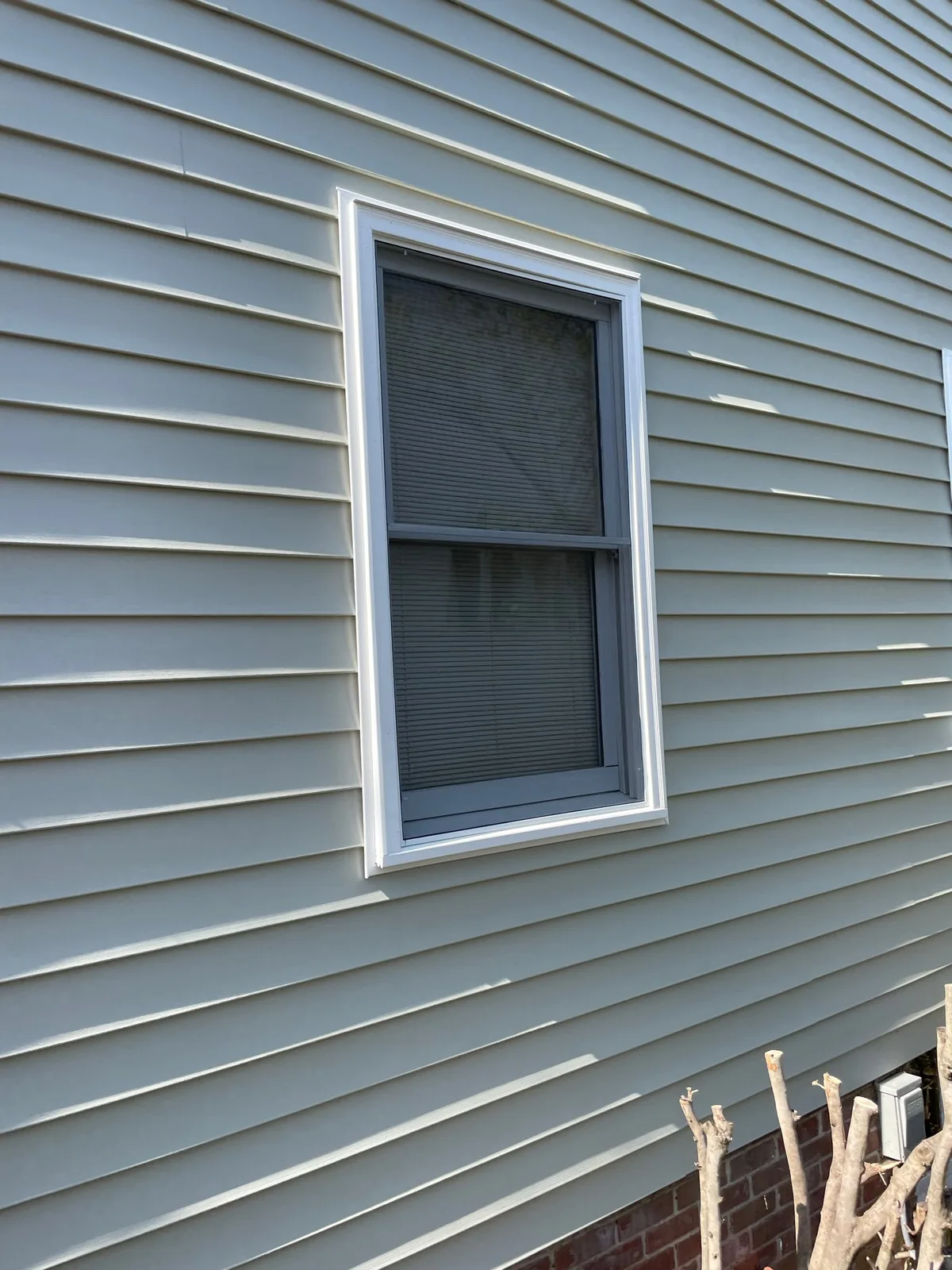
Half screens and full screens
A half screen usually covers the operating portion of a window instead of the entire window opening. Best Screens generally uses a 5/16-inch outer frame for half screens, and most half screens do not have a center bar. Some use swivel clips or other small retainers to help hold the frame in position.
A full screen covers more or all of the window opening. Best Screens generally uses a 7/16-inch outer frame for full screens. Full screens may include a center bar and may use pull pins, hangers, latches, or other hardware depending on the window design.
Do not order a replacement based only on the terms “half screen” or “full screen.” Photograph the window and the original screen because frame shape, hardware, tracks, and mounting details vary.
When a full screen requires a center bar, Best Screens typically uses a 5/16-inch center bar with the 7/16-inch roll-formed aluminum perimeter frame. Available frame colors are white, black, bronze, and desert sand. The existing window, required profile, hardware, and fit must still be evaluated before the frame configuration is finalized.
When can an existing screen be repaired?
Rescreening may be practical when:
- The frame is straight and still fits the opening
- The corners remain tight and square
- The spline channel is intact
- The center bar is secure
- Required pull tabs, clips, pins, or latches are present or can be matched
- The main problem is torn, loose, worn, faded, or unsuitable mesh
A more extensive repair or complete replacement may be appropriate when:
- The frame is bent, twisted, cracked, or badly out of square
- Corners repeatedly separate or no longer hold the frame securely
- The spline channel is damaged
- The center bar or its attachment points are damaged
- Important hardware is missing, corroded, broken, or unavailable
- The original frame profile does not fit the window correctly
- The screen has been altered and no longer matches the opening
- Repairing several problems would be less practical than building a complete replacement
If a bent frame member prevents the screen from sitting correctly in the opening or creates a large gap that insects can pass through, Best Screens generally recommends replacing the bent member. That does not automatically mean the entire frame must be replaced. When compatible parts are available and the rest of the screen remains serviceable, Best Screens may replace an individual frame member or hardware component instead of rebuilding the complete screen.
Best Screens should evaluate the actual screen and window before deciding whether rescreening, a component repair, partial frame replacement, or complete replacement is the better approach.
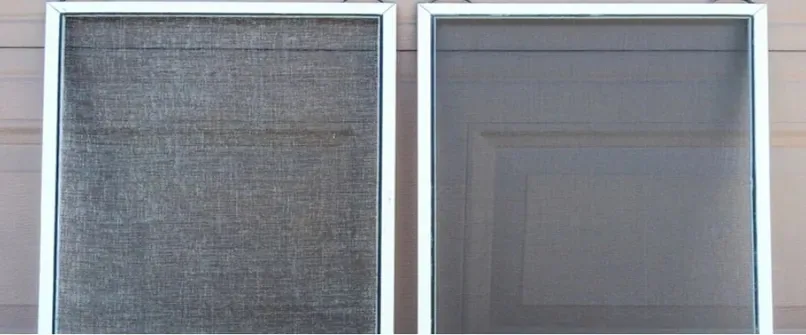
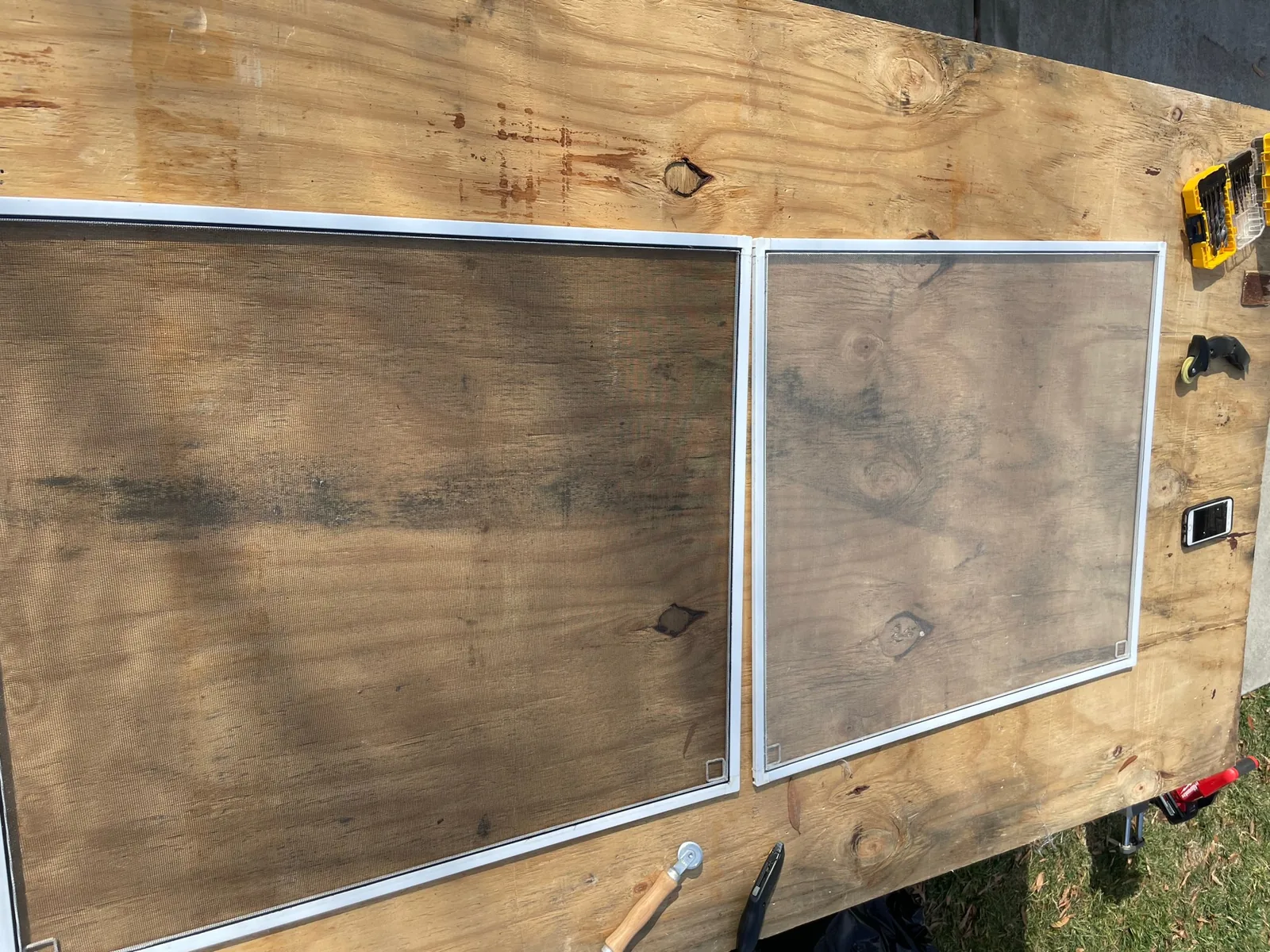
Frame members, corners, and center bars
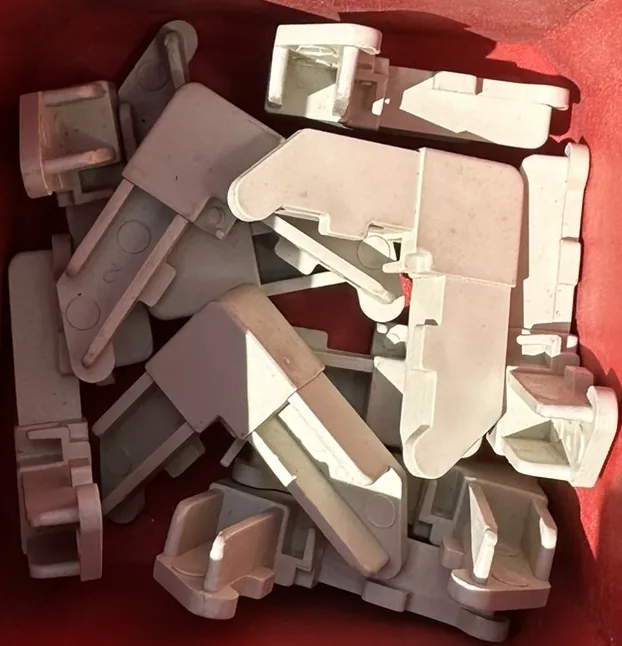
Most removable residential screens use aluminum frame members joined at the corners. Internal corner keys fit inside the frame and hold the members together at 90-degree angles.
The frame profile matters. Two frames can appear similar from the front while differing in depth, flange shape, spline-channel position, or the way they engage the window. A small profile difference can determine whether the screen slides into the track, clears the sash, or sits securely against a stop.
Some full window screens include a center bar. Center-bar inserts connect the bar to the surrounding frame. When requesting a replacement, show whether the original has a center bar and where it is positioned.
Mesh choice and spline size
Best Screens uses standard 18×16 mesh for ordinary window screens. Compared with the standard 18×14 mesh Best Screens commonly uses on porches, 18×16 has smaller openings and is reserved by Best Screens for household window screens.
Best Screens can also install 18×14, BetterVue, UltraVue2, TuffScreen, standard No-See-Um, TuffScreen No-See-Ums, PetScreen, SunTex 80, and SunTex 90 in window-screen frames. The selected mesh still has to be compatible with the frame, spline channel, screen size, hardware, and intended operation.
SunTex 80 and SunTex 90 are thicker solar-control materials. A lightweight window-screen frame can only hold so much tension, so some visible sag may remain even when the material is installed as tightly as the frame allows. Best Screens should evaluate the screen size, frame, and intended use before recommending SunTex for a window screen.
For a complete mesh comparison, see How to Choose the Best Screen Mesh for Your Home.
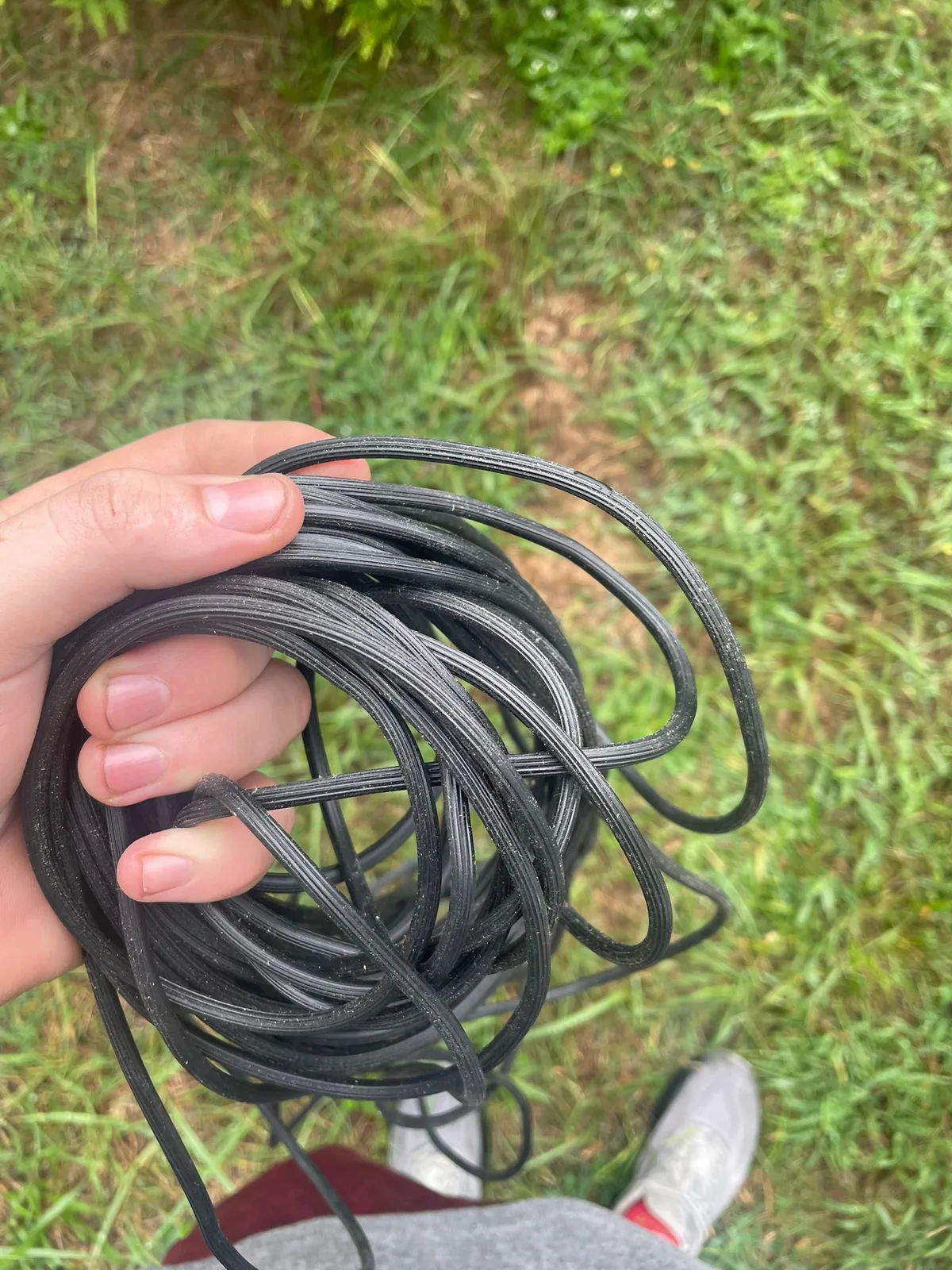
Round spline presses the mesh into the channel in the screen frame. The correct spline is not selected by mesh name alone; the frame channel and material thickness also matter.
As a Best Screens field practice:
- Best Screens generally uses .150-inch round spline with thinner meshes, including 18×14, 18×16, BetterVue, UltraVue2, TuffScreen, standard No-See-Um, and TuffScreen No-See-Ums.
- Best Screens generally uses .140-inch round spline with PetScreen, SunTex 80, and SunTex 90.
Those sizes describe Best Screens’ usual combinations, not a universal rule for every manufacturer’s frame. The installer must confirm that the spline, mesh, and channel work together without leaving the screen loose or damaging the frame.
Common retention hardware
The hardware on the screen and window keeps the finished frame in the intended position. Missing or incorrectly placed hardware can make an otherwise correctly sized screen unusable.
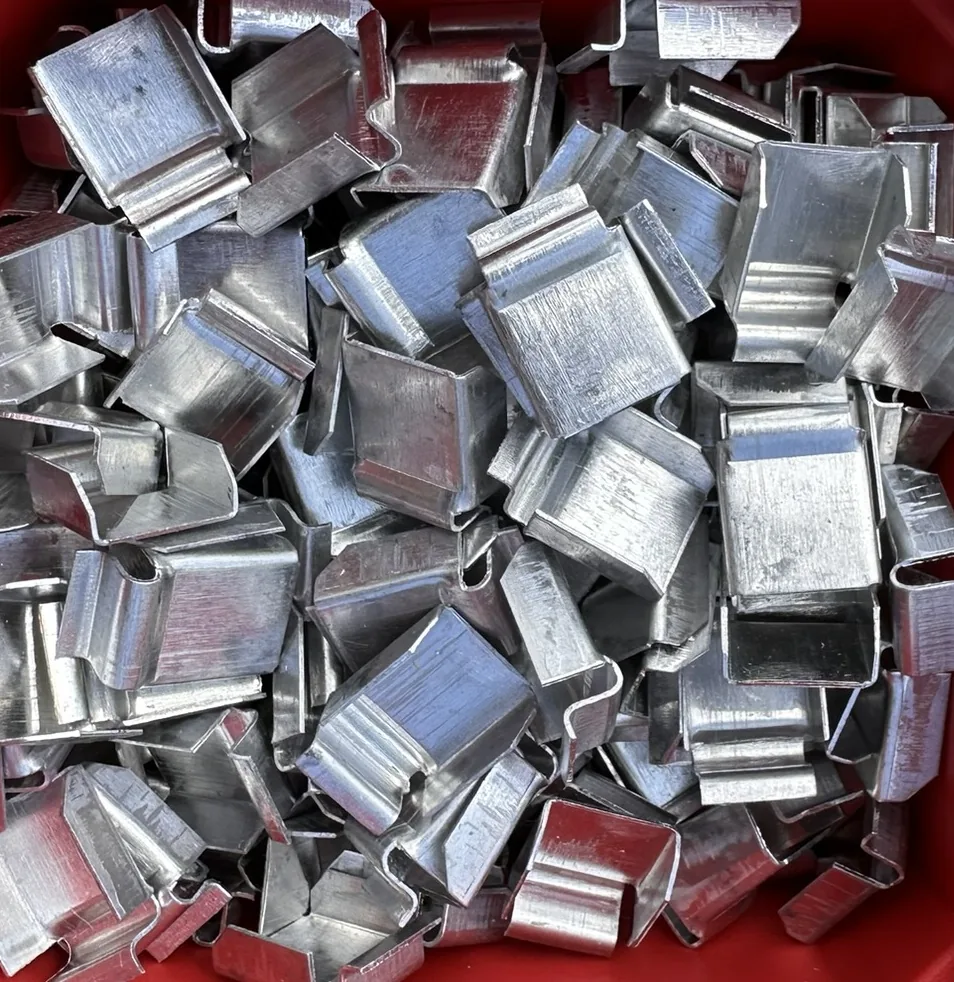
Swivel clips
Swivel clips help lock in some window screens and are commonly found on certain half-screen configurations. The clip rotates over the screen frame and is attached with a rivet.
Pull-pin assemblies
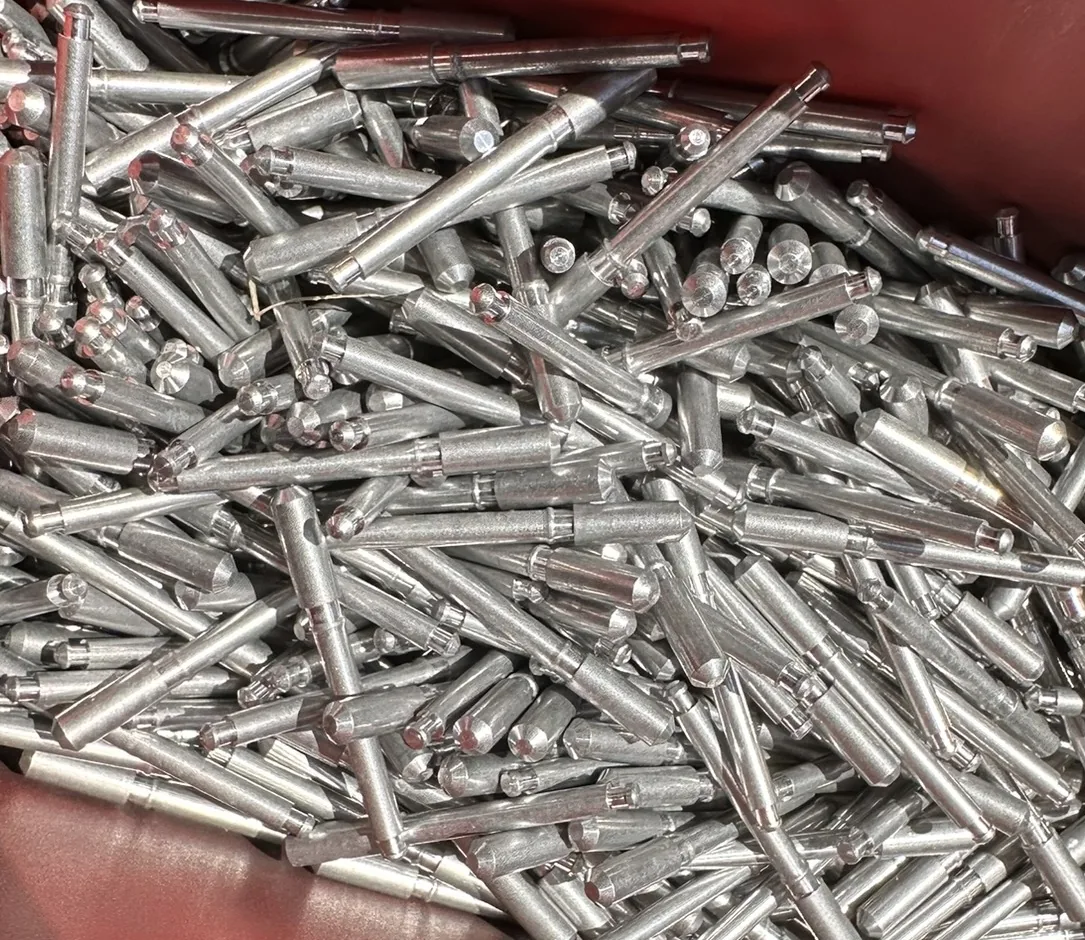
Some screens use retractable pull pins. The assembly includes the metal pin, a cap or handle that the user pulls, and a spring that returns the pin to its resting or engaged position.
When matching a pull-pin screen, show the location of every pin, the direction it operates, and the receiving hole, track, or stop in the window.
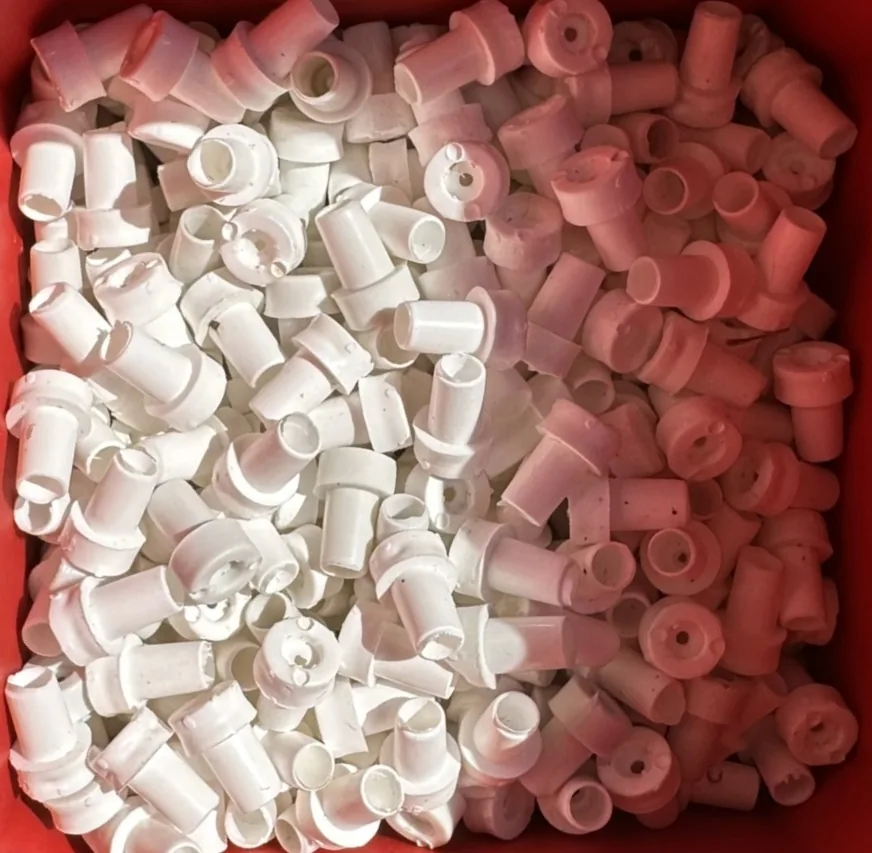
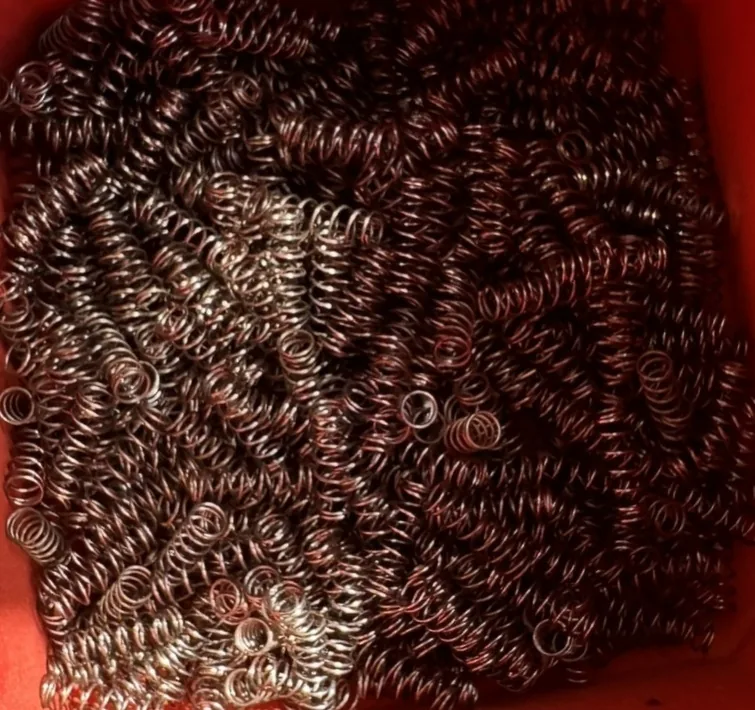
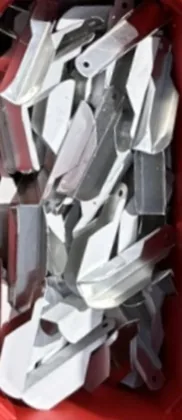
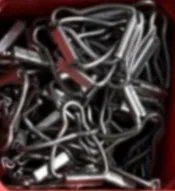
Hardware for some older wooden double-hung windows
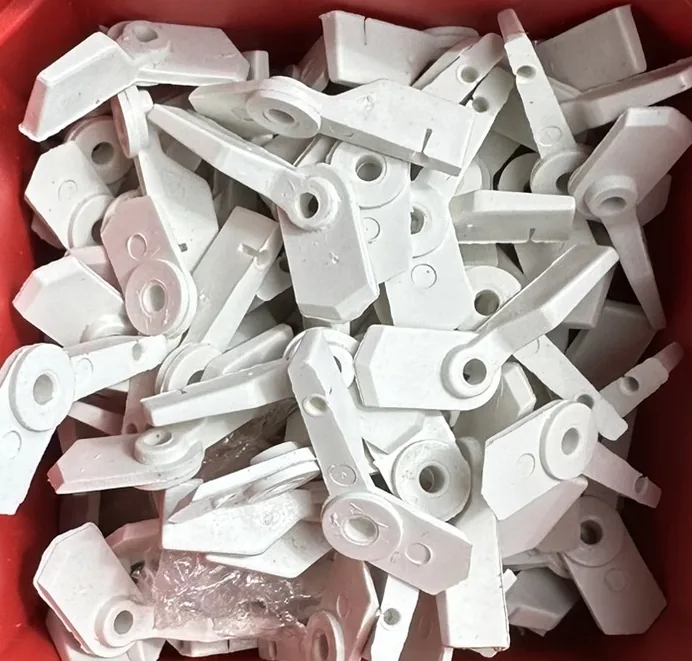
Older homes with wooden double-hung windows may use full screens and retention hardware that differs from hardware used on newer window assemblies.
Best Screens may encounter:
- Friction hangers mounted near the upper sides of the window so the full screen can slide into position
- Small nails used to fasten the friction hangers
- Ball-head screws driven into the wooden sill
- Loop latches mounted in the bottom screen frame and fastened around the ball-head screws
- Center bars and inserts used in the full screen frame
These components work as a system. Photograph the installed hardware before removing or replacing anything. Include the upper hangers, lower sill fasteners, bottom latches, frame profile, and complete screen.
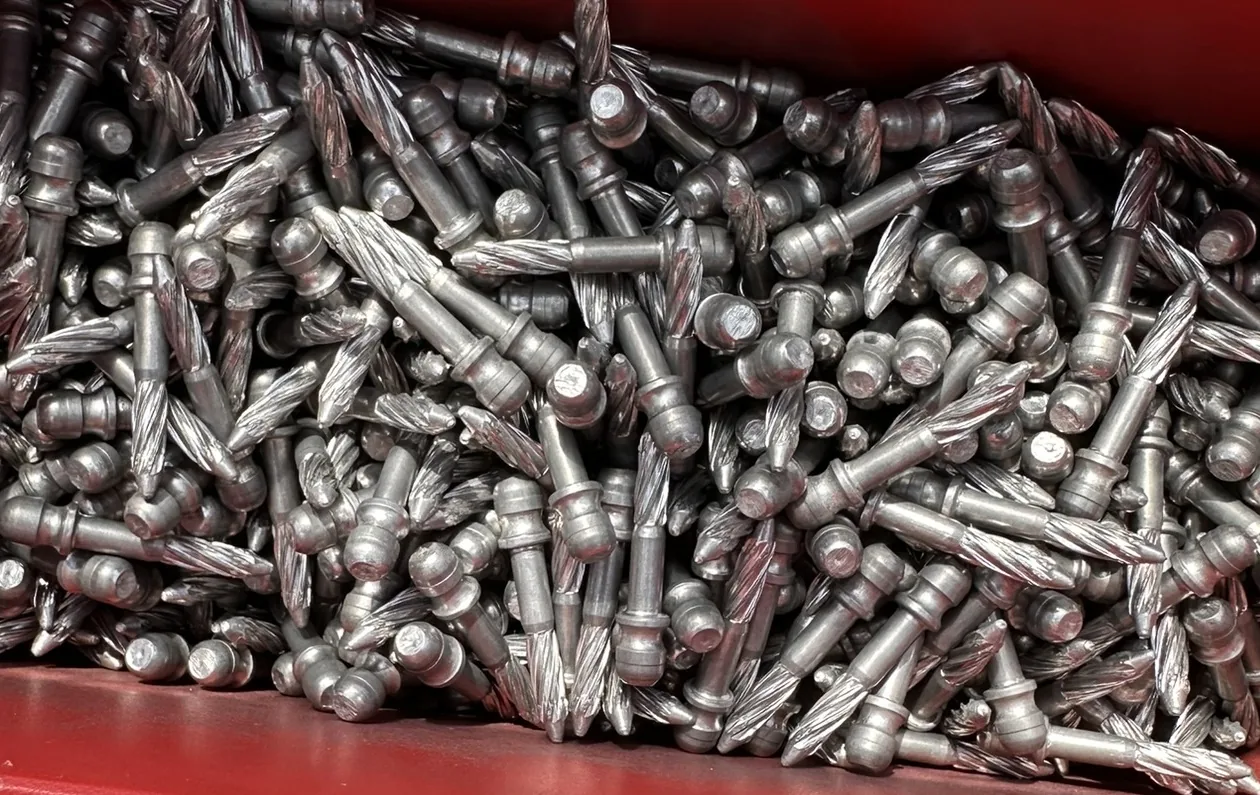
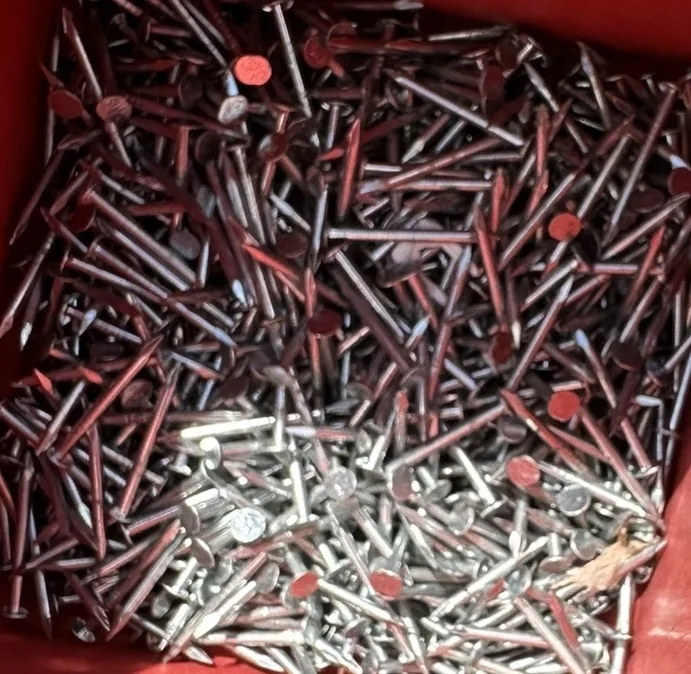
What to photograph for an estimate
For an existing window screen, send:
- The entire window from the side where the screen is installed or removed
- The complete screen installed in the window, if available
- The complete loose screen laid on a flat surface
- Every frame corner
- A close end or cross-section view of the frame profile, if safely visible
- The center bar and its position
- Pull tabs, lift rails, swivel clips, pull pins, springs, latches, hangers, or other hardware
- Tracks, channels, stops, holes, and sill hardware in the window opening
- Bent, broken, corroded, missing, or altered areas
- Any manufacturer label or identifying mark on the window
If the screen is missing, photograph the empty opening from straight on and at an angle. Include close views of all tracks and retainers. Do not remove window parts or create damage solely to expose a component.
For more detailed photo instructions, see What Photos and Information Does Best Screens Need for an Estimate?.
Measurements help with quoting, but not fabrication
Approximate measurements can help Best Screens understand the project and prepare a quote. They are not used for fabrication.
Window-screen fabrication may depend on precise outside dimensions, frame profile, squareness, hardware type, hardware position, center-bar position, spline channel, mesh thickness, mounting clearance, and test fitting. Best Screens takes or verifies the final measurements used to build the screen.
Never lean outside a window, stand on unstable furniture, or remove a safety feature to obtain a measurement. Tell us what you could not reach safely.
What happens after you submit the information?
Most window-screen requests can begin with good photographs and a description of the quantity, damage, and desired result. Best Screens may ask for another view or request an approximate measurement for quoting.
For new window screens, Best Screens measures onsite, verifies the fit, and installs the completed screens as part of the service.
For rescreening an existing frame, service may be completed onsite or the customer may drop off the original screen. No appointment is required for a drop-off. The sales team confirms the current drop-off and collection location so the process remains accurate as Best Screens service locations change or expand. The existing screen serves as the physical pattern, and the Best Screens team completes the work as availability allows. A drop-off does not create a guaranteed same-day or specific turnaround time unless Best Screens confirms one separately.
For onsite window-screen work, Best Screens considers the overall number of screens, whether the project involves rescreening or new fabrication, and the distance to the job when determining whether an additional trip charge applies. Customers who need existing screens rescreened may use the drop-off location confirmed by the sales team to avoid the trip charge.
When work is ready, Best Screens may notify the customer by call, text, or email. Payment may be made at drop-off, when the work is completed, or at collection; the sales team confirms the available option for the particular project.
Screens built by the mobile team are test-fitted and installed before the team leaves. If Best Screens measured or built the screens onsite and a fit correction is required, Best Screens returns to correct its work. When a customer supplies a screen as the pattern for a duplicate, the new screen is made to match that sample. A later adjustment may involve an additional charge when the supplied pattern did not match the intended opening. If Best Screens made the error, Best Screens corrects it at no charge. A screen originally handled as a drop-off must be returned to the location confirmed by the sales team for adjustment.
Best Screens usually responds by the next business day and tries to use the customer’s preferred contact method. Quotes are currently sent by email.
Ready to get started? Send the complete window and screen views first, then add the close-ups of the frame and hardware.
One-year workmanship warranty
Best Screens warrants its workmanship for one year on rescreening, new window-screen frames, replacement frame members, installed hardware, onsite work, and shop work performed by Best Screens.
The workmanship warranty applies when the Best Screens work has not been altered and has not been damaged by something outside Best Screens’ control. It does not cover damage caused by pets, impact, weather, misuse, alterations, or work performed by others. Best Screens evaluates the affected screen and the circumstances before confirming warranty coverage.
Frequently asked questions
Can Best Screens replace only the mesh?
Often, if the existing frame is straight, square, secure, and compatible with the selected mesh and spline. Best Screens must inspect the frame and hardware before confirming that rescreening is practical.
Can a bent window-screen frame be straightened?
Minor issues may sometimes be repairable. If a bent member keeps the screen from fitting properly or creates a large gap for insects, Best Screens generally recommends replacing that member. The entire frame does not necessarily need replacement if compatible parts are available and the remainder is serviceable.
Can Best Screens replace one hardware component?
Yes, when a compatible component is available and the rest of the screen remains serviceable. The screen may require a more extensive repair or complete rebuild when a matching part is unavailable or other damage affects its fit and operation.
Can I order a screen using my measurements?
Your approximate measurements help with quoting, but Best Screens does not use customer measurements for fabrication. Best Screens takes or verifies the final fabrication measurements.
What mesh does Best Screens normally use for windows?
Best Screens normally uses standard 18×16 window-screen mesh. Best Screens can also install 18×14, BetterVue, UltraVue2, TuffScreen, standard No-See-Um, TuffScreen No-See-Ums, PetScreen, SunTex 80, and SunTex 90 when the frame, spline, opening, and intended operation are compatible. SunTex 80 and 90 can retain some visible sag because a window-screen frame can only support limited tension.
What if the original screen is missing?
Send clear photographs of the entire window opening, tracks, stops, clips, holes, channels, and any neighboring window with a matching screen. Best Screens may need an onsite evaluation or another physical reference before building the replacement.
Can I drop off an existing screen for rescreening?
Yes. Existing screens may be dropped off without an appointment and can serve as the physical pattern for the rescreen. The sales team confirms the current drop-off and collection location. The Best Screens team completes drop-off work as availability allows. Rescreening may also be performed onsite depending on the project.
Is there a trip charge for onsite window-screen work?
It depends on the overall number of screens, whether the work involves rescreening or new fabrication, and the distance to the job. Best Screens determines whether an additional trip charge applies after reviewing the project. Existing screens can be dropped off for rescreening to avoid the trip charge.
What if a newly built screen does not fit?
Screens built by the mobile team are test-fitted and installed before the team leaves. If Best Screens performed the onsite measuring or fabrication and a correction is required, Best Screens returns to correct its work. A screen made from a customer-supplied sample is built to match that sample. If the supplied pattern did not match the intended opening, an adjustment may involve an additional charge. If Best Screens made the error, the correction is made at no charge. Screens originally handled as drop-offs must be returned to the location confirmed by the sales team for adjustment.
What warranty applies to window-screen work?
Best Screens provides a one-year workmanship warranty on window-screen work it performs, including rescreening, new frames, replacement frame members, and installed hardware. The warranty does not cover damage caused by pets, impact, weather, misuse, alterations, or work performed by others.
Does Best Screens install newly built window screens?
Yes. For new window screens, Best Screens measures onsite, verifies the completed screen’s fit, and installs it as part of the service.
Are window screens safety barriers?
Ordinary insect screens are intended to help keep insects out. Do not rely on a window screen to prevent a child, adult, or pet from falling through an open window.