Double hung
Full window screen
Covers the upper and lower portions because both window sashes can typically open.

Full and half window screens
Double-hung, single-hung, side-slider and casement windows use different screen sizes and mounting positions. Best Screens measures the actual opening and operating sash.
Coverage by window type
Double hung
Covers the upper and lower portions because both window sashes can typically open.
Single hung
Covers the lower portion because that is typically the only sash that opens.
Horizontal side slider
Covers the side that opens. Although it covers one side, the screen can be similar in overall size to a full window screen.
Casement
Mounts on the inside because the casement sash swings outward.
Installed screens
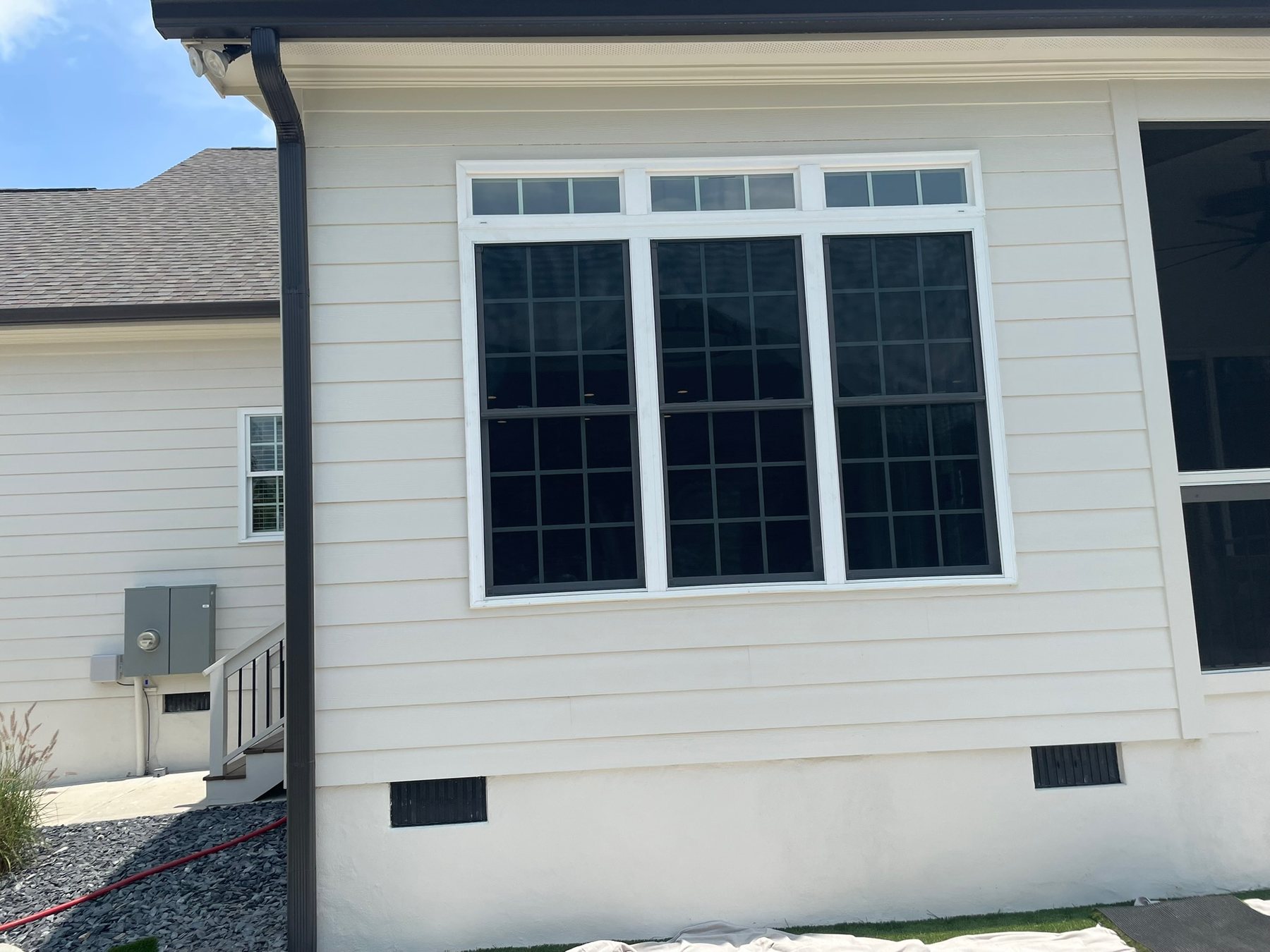
Measure the complete screen
Frame profile, corner construction, crossbar location, pull tabs, springs, plungers and other attachment hardware can affect fit and removal. Photos of the original screen and window help identify these details.
Mesh condition
Fiberglass screen is vinyl coated. As the coating wears away, the fiberglass strands show through and the mesh can appear white or pale. Replacement mesh can restore the appearance and insect barrier.
Help us identify the screen
Include the project location, approximate quantity and whether the original screens are available.