
Choosing glass for a porch enclosure involves two different decisions:
- Safety treatment: Does the opening require tempered safety glass, or may it use non-tempered glass?
- Appearance and performance: Should the glass be clear, tinted, or Low-E, and should it be single-pane or insulated?
Those choices are related, but they are not the same. Tempering changes the glass’s strength and breakage pattern. Tint and Low-E coatings affect light and solar heat. Insulated glass adds a second pane and sealed air space to reduce heat transfer.
Best Screens evaluates the actual opening, selected window system, applicable requirements, and the homeowner’s goals before specifying a glass package.
The short version: Tempered glass is a safety-glazing option, not an energy-efficiency upgrade. Tint reduces brightness and solar heat but also darkens the view. Low-E is a thin coating designed to manage heat transfer and solar gain while preserving more daylight than a dark tint. The exact combination available depends on the selected CWS or PGT product.
Tempered and non-tempered describe safety treatment
Standard non-tempered glass is commonly called annealed glass. When it breaks, it can form larger, sharper pieces.
Tempered glass is cut to its final size and then heat treated. The process makes it stronger than annealed glass of the same thickness and changes how it breaks. If tempered glass fails, it is designed to break into many smaller, comparatively blunt fragments rather than large sharp shards. Tempered glass can still break and should not be described as unbreakable.
Because the tempering process is performed after the glass has been cut and edge-finished, a tempered pane cannot be trimmed or re-cut later. A replacement must be ordered in the correct finished size.
When is tempered glass required?
Tempered glass is one form of safety glazing. Codes may require approved safety glazing in hazardous locations, including certain glass in or near doors, near walking surfaces, or in other locations where human impact is more likely.
Whether a particular porch opening requires safety glazing depends on the complete installation—not simply whether the homeowner prefers tempered or non-tempered glass. The opening’s size, height, location, relationship to doors and walking surfaces, selected product, and applicable requirements all matter.
Best Screens determines the appropriate glass specification for the actual project. The final requirement may also involve the manufacturer, permit review, or the authority having jurisdiction. Tempered and non-tempered glass should not be presented as interchangeable options in every location. Beyond code and product requirements, the recommendation depends on the intended use and the price of the compatible options.
Tempered does not mean impact-resistant or storm-rated
Tempered safety glass and impact-resistant laminated glass are different products. Tempered glass is designed for strength and a safer breakage pattern. Laminated impact glazing uses an interlayer intended to help hold broken glass together and is part of a tested product assembly.
Do not assume that a tempered pane makes a porch enclosure hurricane-rated, security-rated, or approved for a particular storm application. Those claims depend on the complete tested window or door system.
Clear, tinted, and Low-E describe different glazing goals
Once the required safety treatment and compatible product are known, the next decision is how the glass should manage daylight, glare, solar heat, privacy, and views.
Clear glass
Clear glass generally provides the brightest view and the most familiar visual connection to the outdoors. It is a practical starting point when maximum daylight and color neutrality matter more than solar control.
Clear glass does not mean that every window package performs the same. A clear insulated unit can reduce heat transfer more effectively than clear single-pane glass, and clear-looking Low-E glass can manage solar heat while retaining substantial daylight.
Tinted glass
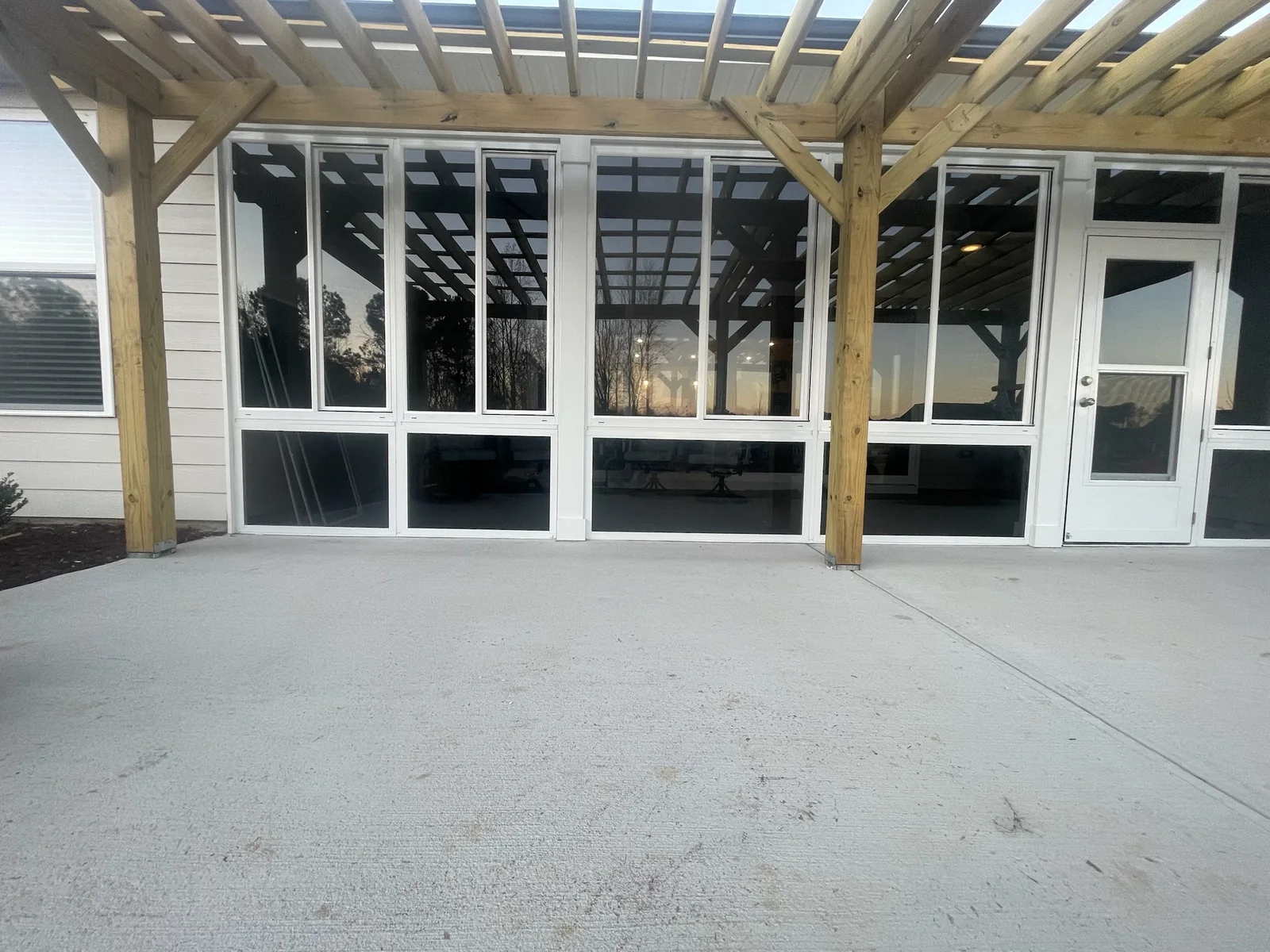
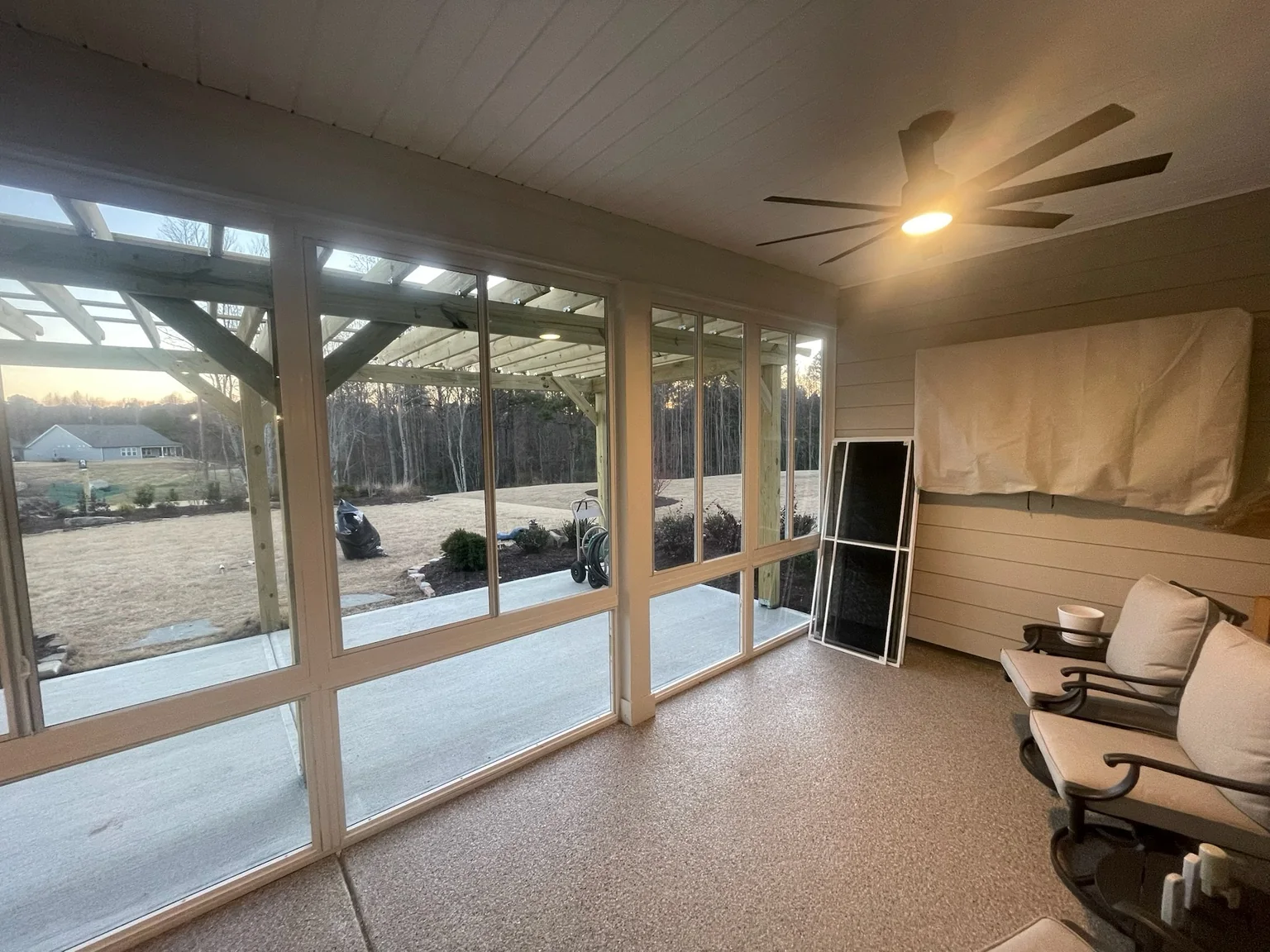
Tinted glass absorbs or reduces part of the incoming solar energy and visible light. It can help reduce glare and solar heat in a porch with strong sun exposure, but the tradeoff is a darker appearance and lower visible-light transmission.
Tint changes both the exterior appearance and the view from inside. Evaluate a physical sample in daylight when possible because color, reflectance, surrounding finishes, and the direction the porch faces can all affect how it looks.
Gray is the tint Best Screens currently offers as its standard advertised tint. Other tint colors or glass packages may be available by model or special order; consult a Best Screens representative to confirm current options for the selected product.
Low-E glass
Low-E means low emissivity. A Low-E coating is a very thin metallic or metallic-oxide layer applied to glass to manage radiant heat transfer. Depending on the coating, it can lower the window’s U-factor, reduce solar heat gain, and retain more visible light than a comparably dark tint.
Low-E is not simply another name for tinted glass. Some Low-E products look close to clear, while others have a subtle color or reflectance. Their actual performance should be compared using the ratings for the complete window product, not by appearance alone.
Three ratings help compare glass packages
When certified performance information is available, these ratings are more useful than broad labels such as “energy efficient”:
- U-factor measures how readily heat passes through the complete window product. Lower is better at limiting heat transfer.
- Solar Heat Gain Coefficient (SHGC) measures how much solar heat enters through the product. A lower number admits less solar heat.
- Visible Transmittance (VT) measures how much visible daylight passes through the product. A higher number admits more daylight.
A dark tint may lower solar gain but also reduce visible light. A properly selected Low-E coating can reduce solar gain while preserving more daylight. The best balance depends on the porch’s exposure and how the room will be used.
Single-pane and insulated glass are not the same
Single-pane glass uses one pane. Insulated glass uses two or more panes separated by a sealed space. The additional pane and sealed space primarily improve resistance to heat transfer.
Best Screens currently discusses these glass packages, subject to product compatibility and project requirements:
- Single-pane clear glass
- Single-pane tinted glass
- Double-pane insulated clear glass
- Double-pane insulated tinted glass
- Double-pane insulated Low-E glass
- Laminated impact glass and laminated-insulating impact glass on compatible tested systems
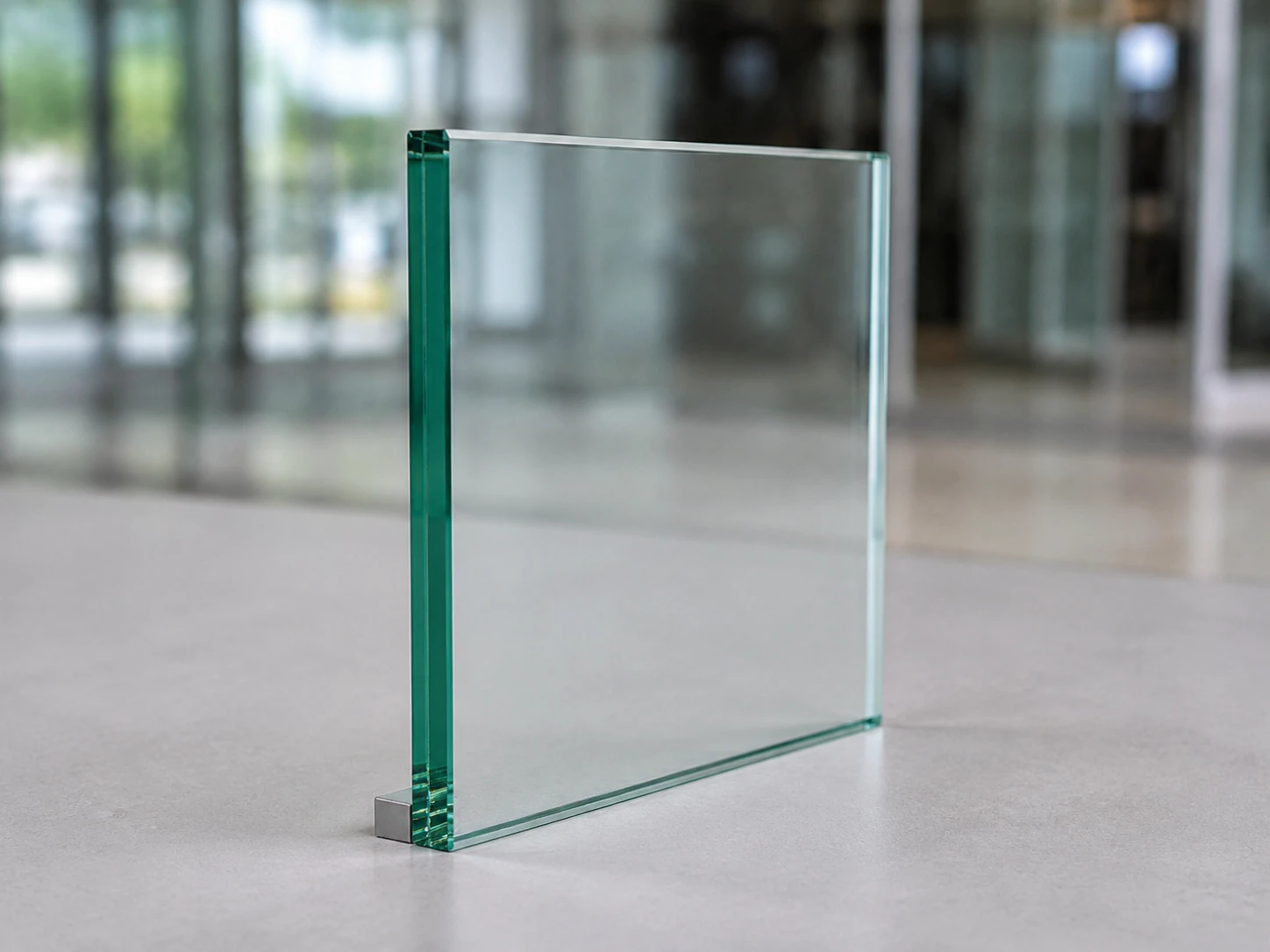
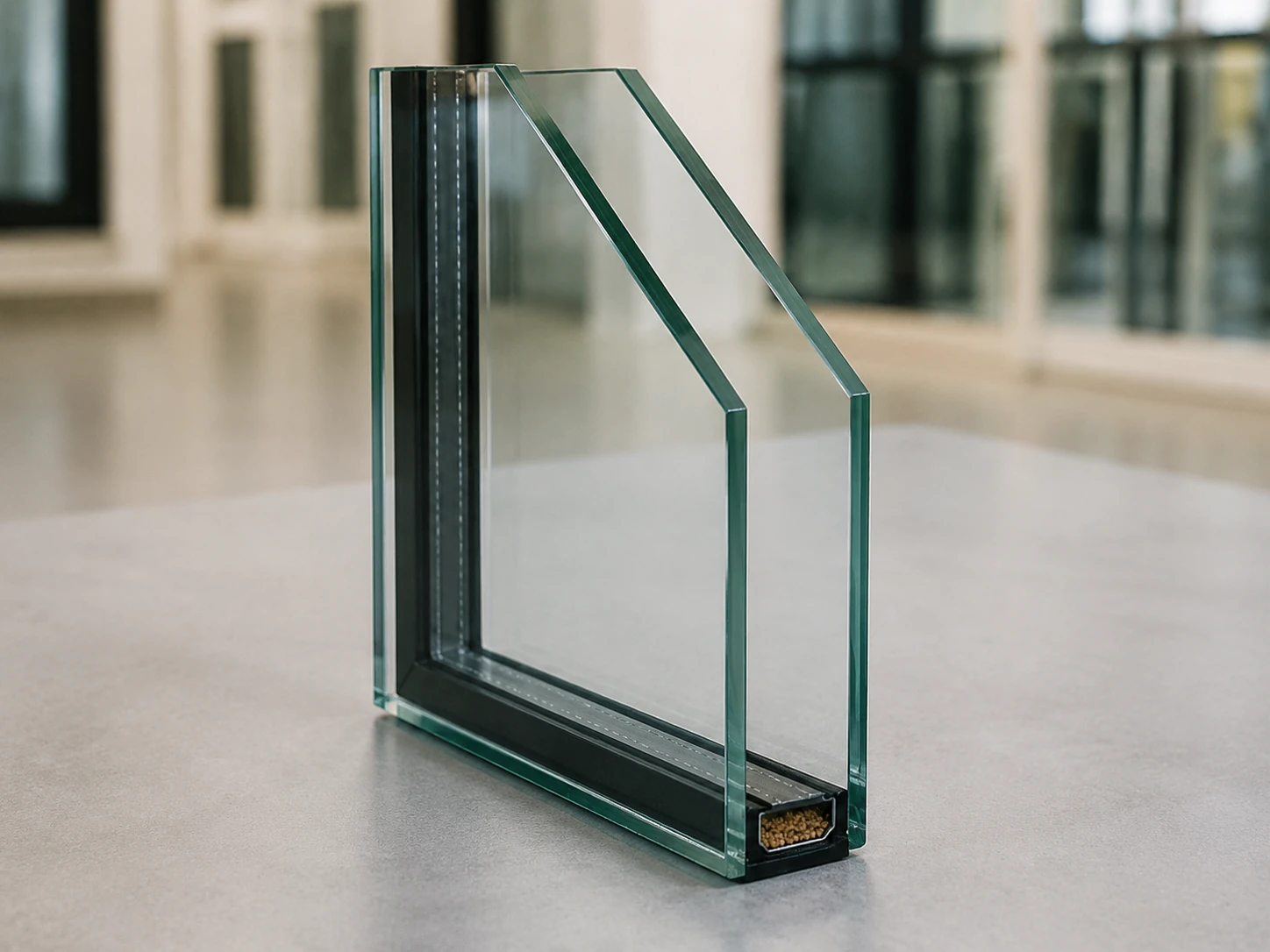
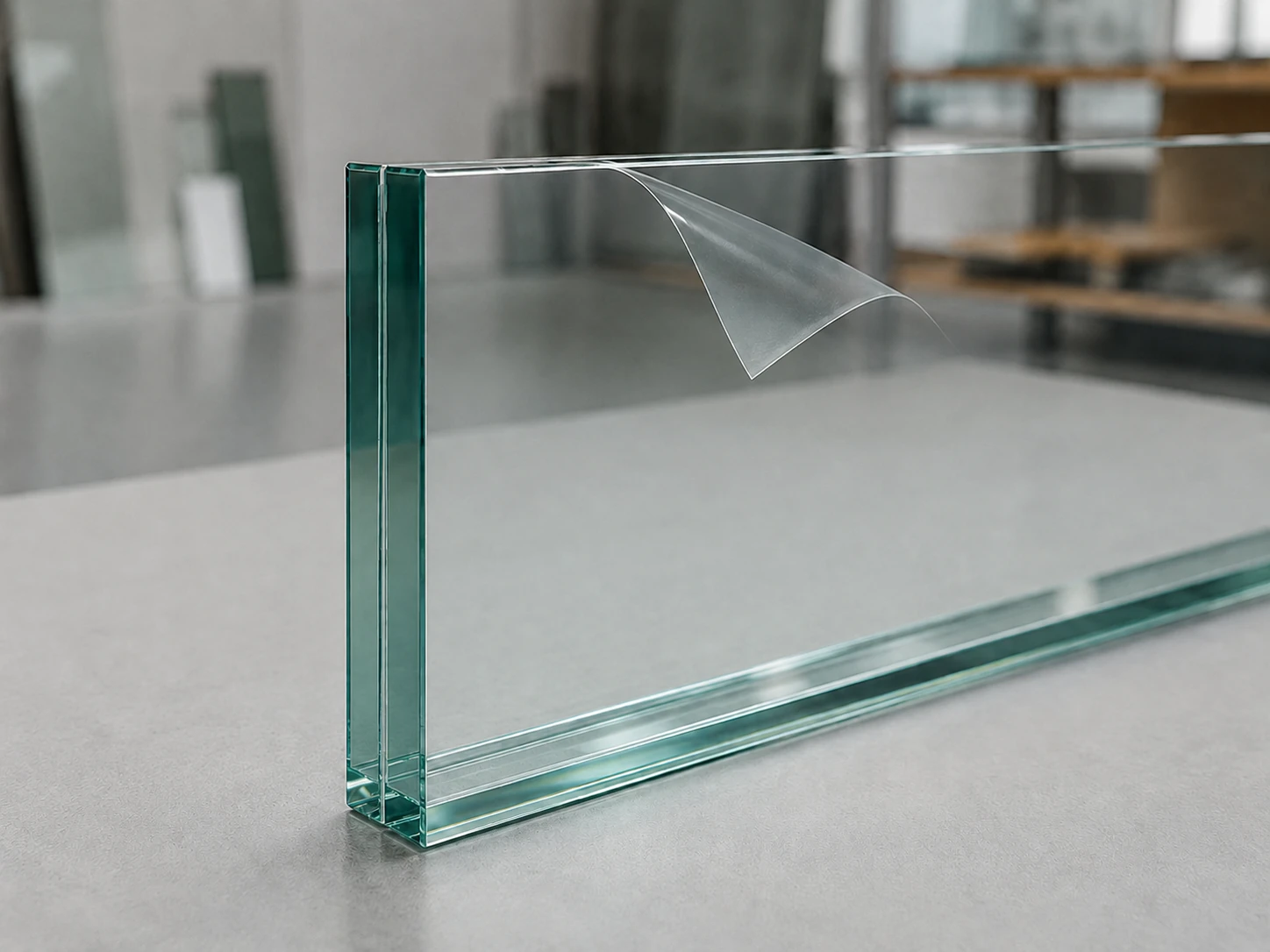
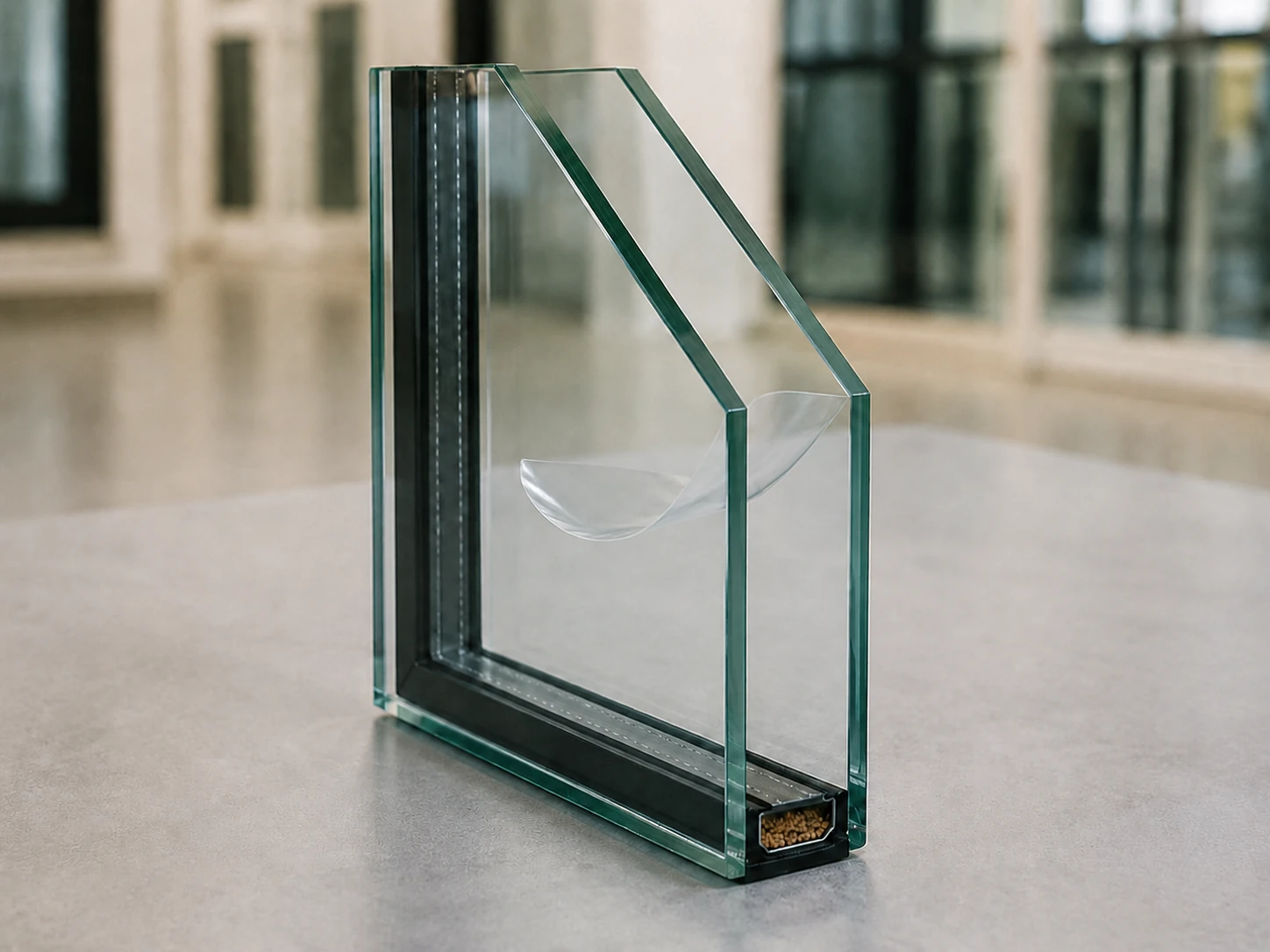
Representative glass constructions for educational comparison. Exact pane thicknesses, interlayers, spacers, coatings, and assemblies vary by manufacturer, model, and order.
Best Screens offers CWS and PGT glass systems. PGT offers Energy Shield Max on compatible products. Current CWS product pages show Low-E 270, Low-E 366, Low-E 366 Neat, and Low-E 340 on specified product families, but that list must not be treated as universal model availability. Most quoted CWS and PGT window models may be ordered with non-tempered glass when the product, opening, and applicable requirements allow it; glass doors require safety glazing and should not be presented as having a non-tempered option. Not every glass treatment, tint, coating, frame material, or configuration is available in every series. Other glass packages may be available by model or special order, so the Best Screens representative and current order sheet control.
Recent CWS quotes supplied to Best Screens confirm examples that include clear and gray single-pane glass, tempered clear and gray glass on specified units, white and bronze aluminum frames, horizontal sliders, fixed picture windows, a glazed prime door, and an impact-laminated sliding-door assembly. CWS engineering documents separately distinguish the non-impact CWS-380 aluminum sliding door from the impact-resistant SGD-7800. PGT quotes confirm SGD770 sliding glass doors with clear laminated impact glass or clear laminated-insulating impact glass and Energy Shield Max Low-E. These are documented examples—not a complete catalog. They do not mean other CWS or PGT glass types and features are unavailable. Availability must still be verified for the selected model, size, configuration, and current order.
Which choice fits your porch?
Consider clear glass when:
- Maximum daylight and a neutral view are priorities
- The porch has limited direct sun or existing exterior shade
- Glare and solar heat are not the primary concerns
Consider tinted glass when:
- The porch receives strong direct sun
- Glare reduction is more important than maximum daylight
- A darker exterior appearance is desired
Consider Low-E glass when:
- Reducing heat transfer is a priority
- The porch will be used through a wider range of weather
- The goal is solar control without making the room as dark as a heavier tint may make it
These are starting points, not universal rules. Roof overhangs, porch orientation, shade trees, ventilation, air leakage, wall and roof insulation, and whether the space is conditioned all influence comfort. Glass alone does not turn a porch into conditioned living space.
What Best Screens needs before recommending glass
For an initial discussion, provide:
- Photos of the entire porch from inside and outside
- Close views of each opening and nearby doors
- The approximate number and size of openings
- The direction of the strongest sun, if known
- Whether glare, heat, privacy, daylight, ventilation, or seasonal comfort is the main goal
- Whether the porch is already screened or enclosed
- Any HOA requirements or desired completion date
Eze-Breeze, acrylic, and glass projects require an onsite appointment so Best Screens can measure the openings and review compatible options. Photos are helpful before the appointment but are not required. Customer measurements may help with preliminary quoting but are not used for fabrication.
How should the glass be cleaned?
Follow the current care instructions for the exact window or door because glass coatings and exposed surfaces can differ. As a conservative routine, clean glass during cooler conditions and out of direct sunlight using clean water, a soft non-abrasive cloth, and only a mild non-abrasive cleaner approved for the product. Rinse away residue and dry with a clean, soft material.
Do not use razor blades, putty knives, sharp tools, abrasive pads, caustic or acidic cleaners, petroleum-based chemicals, or high-pressure water. These precautions are especially important when a Low-E coating is exposed on the room-side surface. Frames, screens, tracks, weatherstripping, and hardware have separate maintenance needs and should be cleaned according to the manufacturer’s current instructions.
Product warranty and workmanship warranty are separate
Best Screens warrants work it performs for one year when that work has not been altered and has not been damaged by pets, impact, weather, misuse, work by others, or another cause outside Best Screens’ control.
A manufacturer’s product warranty is separate. The applicable CWS and PGT limited warranties address qualifying manufacturing and material defects and vary by manufacturer, product family, component, occupancy, ownership, purchase date, and other terms. A manufacturer may provide repair, parts, replacement product, or another stated remedy without covering labor, shipping, or delivery. The current written manufacturer warranty, project order, and Best Screens quote control; a general article cannot replace those documents.
For a claim, contact Best Screens with the project information and a description of the problem. Best Screens can determine whether the concern appears related to its workmanship, a potentially covered product defect, maintenance, accidental damage, or another cause.
Frequently asked questions
Is tempered glass unbreakable?
No. Tempering increases strength and changes the breakage pattern, but tempered glass can still break.
Is tempered glass more energy efficient?
Not by itself. Energy performance is affected by the number of panes, Low-E coatings, gas fills when applicable, spacers, frame construction, and the performance of the complete window.
Is Low-E glass the same as tinted glass?
No. Tint primarily changes how much visible light and solar energy pass through the glass. Low-E is a thin coating designed to manage radiant heat transfer and solar gain. A Low-E unit may look nearly clear or may have a subtle color.
Can clear glass also be Low-E?
Yes. Low-E coatings can be used in glass packages that retain a clear-looking appearance, although the exact color and reflectance depend on the coating and product.
Does tinted glass provide privacy at night?
Do not rely on ordinary tinted glass for nighttime privacy. When the porch is brighter inside than outside, people outside may still see in. Blinds, shades, or a verified privacy-glass option may be needed.
Can tempered glass be cut after it is made?
No. Tempered glass must be ordered at the finished size because cutting or drilling it afterward can cause it to fail.
Does glass make a porch a four-season room?
Not automatically. The window package is only one part of the room. The roof, walls, floor, air sealing, heating and cooling, permits, and intended use must also be evaluated.